HMT Mechanical Watches: Buying and Ownership
HMT mechanical watches appeal to readers who value traditional timekeeping, manual interaction, Indian watchmaking context, and the character of older mechanical designs. A hand-wound watch can offer satisfying mechanical engagement, but ownership also brings responsibilities that differ from quartz timekeeping. Evaluating the movement, case, dial, crown, components, and maintenance history helps separate an attractive watch from one that may need substantial work.
What Defines an HMT Mechanical Watch?
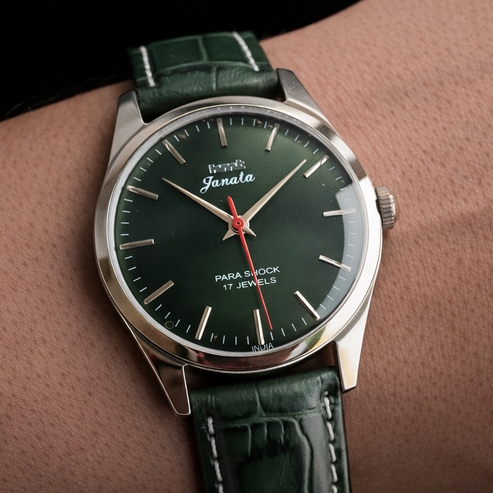
An HMT mechanical watch uses a movement powered by stored mechanical energy rather than a battery. Many examples associated with the brand use manual winding, although buyers should verify the movement fitted to the specific watch rather than assuming every example operates identically.
These watches interest Indian mechanical watch collectors because they connect hand-wound operation with domestic watch culture. However, age, model, condition, originality, availability, and collector interest differ considerably, so no example should automatically be described as rare or valuable.
How Mechanical Timekeeping Works?
A mechanical movement stores energy in a mainspring. Winding the crown tightens that spring, and the movement gradually releases the stored energy through the gear train.
The escapement controls the release of energy, while the balance mechanism regulates the movement’s rhythm. The gear train then drives the hands across the dial. Power reserve simply describes how long the movement can continue running from stored energy before it needs more winding.
Wear, lubrication, adjustment, and servicing can affect mechanical performance.
Manual Winding and Crown Care
Hand-wound watches require regular winding to keep running. Winding frequency depends on the movement and its condition, so fixed turn counts do not suit every watch.
Use gentle, controlled crown movement and stop if winding becomes unusually stiff or resistant. Excessive force can damage the winding system. A crown that slips, grinds, binds, or feels inconsistent deserves professional assessment.
Regular winding also helps reveal changes in crown feel.
Mechanical Versus Quartz Ownership
Mechanical and quartz watches differ mainly in power source and interaction. Quartz watches rely on battery-powered electronic regulation, while mechanical watches use stored spring energy and moving components.
Quartz watches often demand less daily attention, although they still require battery replacement and occasional maintenance.
Neither system is inherently superior. Choice depends on interaction, convenience, servicing expectations, and timekeeping consistency.
Condition Matters More Than Surface Appearance
Pre-owned HMT watches should receive both cosmetic and mechanical assessment. A clean exterior cannot confirm healthy internal condition, while visible ageing does not automatically make a watch unsuitable for use.
Useful inspection points include:
- dial printing, markers, and staining;
- hand condition and alignment;
- crystal scratches or cracks;
- case wear and excessive polishing;
- crown operation and fit;
- case-back damage or corrosion;
- movement cleanliness and visible corrosion;
- strap or bracelet condition;
- signs of moisture exposure;
- replacement or mismatched components.
Mechanical condition often matters more than superficial marks. A watch that looks polished may still need servicing, while an aged case may house a functioning movement.
Original, Serviced, Restored, and Modified Examples
Original generally means that major components remain substantially consistent with the watch’s original configuration. Serviced means the movement received maintenance or necessary repairs.
Restored describes work intended to improve appearance or condition. Refurbished can include repairs, refinishing, replacement parts, or broader renewal. Modified watches contain intentional changes from the earlier configuration, while aftermarket parts come from third-party sources.
These categories can overlap, and seller terminology may vary. Ageing, logos, dial colour, or patina cannot prove originality by themselves. When authenticity matters strongly, a knowledgeable watch professional can provide a more reliable assessment than photographs alone.
Timekeeping, Servicing, and Daily Use
Older mechanical watches can show more variation in timekeeping than modern electronic watches. Performance depends on movement condition, lubrication, wear, magnetism, adjustment, servicing history, and how the watch is used.
Maintenance should remain practical:
- wind the crown gently;
- protect the watch from heavy impacts;
- keep the exterior clean and dry;
- inspect the strap, bracelet, and spring bars;
- store the watch safely when unused;
- seek assessment when performance changes noticeably;
- avoid opening the case without a sound reason.
Servicing needs vary with age, usage, condition, and previous maintenance. Universal intervals can therefore mislead buyers.
Water Resistance Requires Caution
Buyers should not assume older mechanical watches resist water merely because a case carries an old marking. Gaskets and seals can deteriorate, while previous repairs or case opening can affect sealing.
Intentional water exposure should follow appropriate testing when water resistance matters. Moisture can damage the dial, hands, movement, and case components, so caution is particularly important with pre-owned watches of uncertain service history.
Straps, Bracelets, and Wearability
A strap or bracelet affects comfort, appearance, fit, and originality. Leather can provide flexible everyday wear, while metal bracelets may add weight and require careful sizing.
Check strap width, spring-bar fit, buckle condition, bracelet links, clasp security, and overall length. Replacement straps can improve practicality even when they do not preserve collector-level originality. Period-appropriate styling may suit an older watch without proving that the strap matches its original factory configuration.
Online Buying and Value Checks
Anyone planning to buy Hmt mechanical watches online in India should verify the exact watch rather than relying on attractive photographs or broad claims about age and originality.
Before purchase, examine:
- clear dial, case, and case-back photographs;
- movement photographs where available;
- crown and winding descriptions;
- working-status information;
- disclosed restoration or replacement parts;
- service history when available;
- dimensions and strap details;
- seller transparency;
- return conditions;
- shipping protection.
Asking price can reflect model, age, originality, mechanical health, dial condition, restoration, documentation, accessories, availability, and seller expectations. These factors do not guarantee future value, and a higher price does not prove better mechanical condition or authenticity.
Conclusion
Choosing an HMT mechanical watch requires more than selecting an appealing dial or case. Buyers should evaluate winding behaviour, movement condition, originality, replacement components, servicing needs, strap fit, and water-resistance limitations alongside intended use. Clear photographs and transparent descriptions improve pre-purchase assessment, but uncertain authenticity or mechanical health may require professional inspection. Careful verification helps distinguish a watch suited to regular wear from one better treated as a restoration project or collectible object.
%20(2).png)
Comments
Post a Comment